Coming Soon
Homeowner DIY Academy
Learn the essential home repair and maintenance skills every homeowner should know. Gain hands-on experience with basic electrical and plumbing repairs, drywall patching, painting, flooring repairs, door hardware installation, and preventive home maintenance.
Tuition: $495 USD per student
Course Overview
Master Essential Home Repair Skills
Build the confidence to tackle common home improvement projects and routine maintenance with ease. This practical, hands-on course teaches the essential DIY skills needed to keep your home safe, functional, and well-maintained while saving money on everyday repairs.
Course tuition: $495 USD per student.
Your Class Plan
What You’ll Learn
A practical sampler of low-risk home maintenance, patching, painting, and hardware tasks. It emphasizes recognizing when a licensed/qualified trade is needed rather than attempting every repair.
Before you start: No construction experience required.
Planned teaching timetable: 8:30 AM–4:30 PM on Day 1 and Day 2, including breaks and lunch. This is the planned class schedule; actual class dates, daily times and venue will be confirmed before enrollment.
By the end, you should be able to
- Build a basic home tool kit and use measuring/fastening tools safely.
- Recognize electrical, plumbing, structural and hazardous-material referral situations.
- Patch and prepare a small clean drywall sample and apply a finish coat on a staged panel.
- Adjust a door/hardware sample and service a disconnected fixture component.
- Create a seasonal maintenance checklist and a realistic repair budget.
Day 1 — Foundations and guided practice
8:30–9:00
Tool/PPE orientation, home hazard recognition, and repair-versus-referral decisions.
9:00–10:30
Measuring, fastener/anchor selection, wall-service awareness, and product instructions.
10:30–10:45
Break
10:45–12:00
Demonstrate a small drywall patch and simple fixture-component maintenance on clean trainers.
12:00–12:45
Lunch and drinks included
12:45–2:15
Practice the patch and a disconnected faucet/toilet component station.
2:15–2:30
Break
2:30–3:45
Door hinges/latches and cabinet hardware adjustment; document before/after function.
3:45–4:30
Build a home maintenance map and list work that requires specialist help.
Day 2 — Application, assessment and next steps
8:30–9:00
Review patch drying and why finishing may need a staged panel.
9:00–10:30
Painting and caulking basics, flooring repair decisions, and electrical observation-only scenarios.
10:30–10:45
Break
10:45–12:00
Rotate through paint/hardware/maintenance stations and prepare a modest material budget.
12:00–12:45
Lunch and drinks included
12:45–2:15
Complete an individual repair station and explain a seasonal home care plan.
2:15–2:30
Break
2:30–3:00
Individual knowledge test: 10 course-specific questions; 20 available points.
3:00–4:00
Individual practical/project assessment, using the course rubric and observations gathered during the project.
4:00–4:30
Feedback, correction plan, certificate eligibility review, and recommended next steps.
Your hands-on project
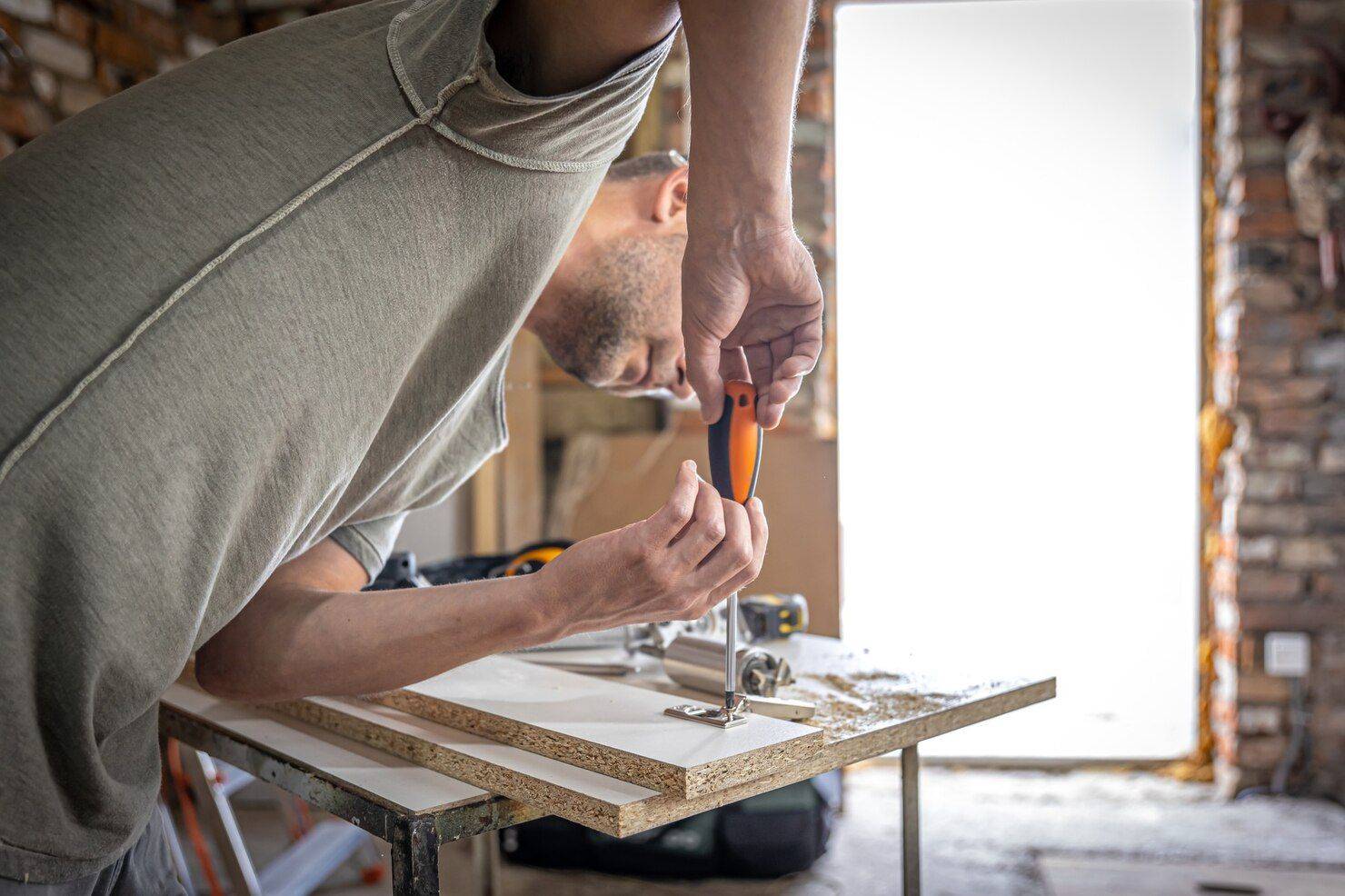
Complete two low-risk stations selected from drywall patching, brush/roller finishing, door hardware adjustment, and disconnected fixture maintenance. Submit a home maintenance schedule and a referral plan for three hazard scenarios.
Final knowledge test
Ten questions specific to Homeowner DIY Academy, covering the skills, decisions, calculations and safety boundaries taught in this course. Each question is worth two points. Pass mark: 16 out of 20 (80%).
The instructor provides the test after training. Approved accessibility support may change how you respond while keeping the same learning standard.
Practical assessment
Complete the course project and demonstrate the skills individually. Five criteria are scored from 0–4. Pass mark: 16 out of 20 (80%), with no criterion below 2 and every critical safety check passed.
What your instructor will assess
- Choose safe tasks and stop/referral actions for hidden hazards.
- Measure and select suitable tools/materials using instructions.
- Complete the first assigned repair sample to the posted standard.
- Complete the second station and verify its appearance or function.
- Produce a realistic maintenance/budget plan with clear specialist referrals.
Training boundaries: No live electrical repairs, gas work, structural demolition, suspect lead/asbestos disturbance, or unprotected height work. Classroom electrical topics are identification and escalation only.
Earn your certificate of completion
- Complete both days and all required learning activities; missed content must be made up.
- Pass the knowledge test and practical assessment separately; a strong score in one does not cancel a failed result in the other.
- Pass every critical safety check and receive the instructor’s sign-off.
If you need more practice, your instructor records the missing skills and assigns focused review and reassessment. Certificates are issued only after all requirements are met.
Your certificate records completion of this Construction Guys course. It is not a contractor license, trade license, or authorization to perform regulated work independently.
Next learning step: Framing & Carpentry. Your instructor can help you choose based on demonstrated skills.
Course Details
Course Information
Everything you need to know before joining the Homeowner DIY Academy course.
Duration
Weekend Boot Camp
Skill Level
Beginner
Tools Provided
Yes
Training Format
Hands-On
Materials Included
Included
Certificate
Certificate of Completion
Become More Confident Around Your Home
Join the waitlist and be the first to know when Homeowner DIY Academy enrollment opens. Learn practical skills that will help you maintain, repair, and improve your home with confidence.